
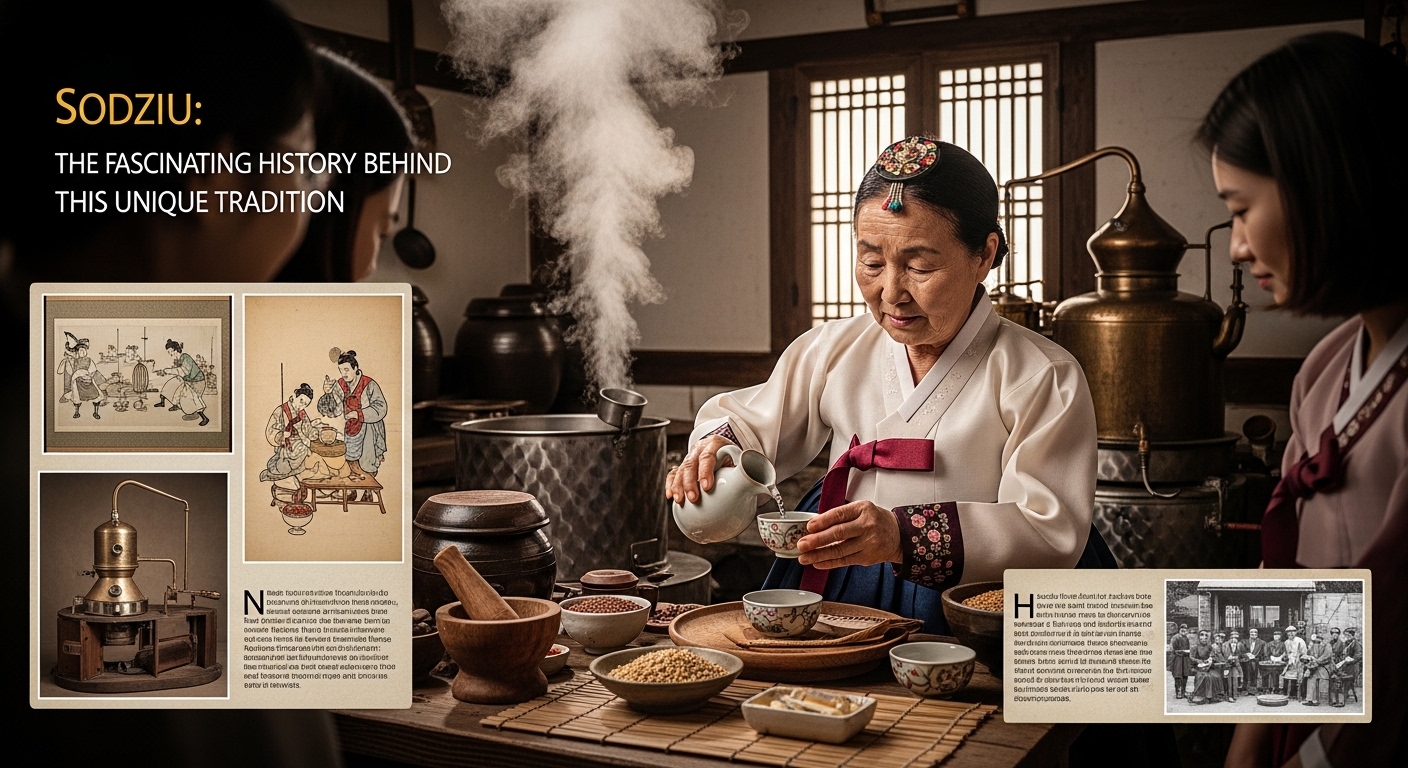
Sodziu is a gem of tradition that has captivated many through its vibrant customs and rich history. This unique celebration, steeped in cultural significance, brings people together to commemorate shared values and experiences. Imagine a gathering filled with laughter, music, and time-honored rituals passed down through generations. Sodziu offers not just a glimpse into the past but also an opportunity to connect with the present.
But what exactly is Sodziu? How did it come to be? Let’s dive deep into this fascinating tradition and uncover the layers of meaning woven throughout its practices. From ancient origins to contemporary celebrations, Sodziu remains a testament to the resilience and creativity of human culture. Join us as we explore this enchanting world where every ritual tells a story waiting to be discovered!
What is Sodziu?
Sodziu is more than just a celebration; it embodies the spirit of community and continuity. Rooted in cultural heritage, this tradition encapsulates various rituals, customs, and festivities that reflect the values of those who practice it.
At its core, Sodziu serves as a communal gathering where families and friends unite to honor past generations while celebrating the present. It often includes music, dance, food, and storytelling—elements that create an atmosphere rich with joy and connection.
The essence of Sodziu lies in its ability to foster relationships among participants. Whether it’s through shared meals or collaborative performances, each aspect invites engagement and interaction. It’s a moment for people to pause their daily routines and immerse themselves in something truly meaningful.
Sodziu stands out as a vibrant testament to how traditions can shape identities across time periods while remaining relevant today. Its impact resonates deeply within communities everywhere.
The Origins of Sodziu
Sodziu traces its roots back centuries, deeply embedded in the cultural fabric of its origin country. Legends suggest that it began as a harvest festival, celebrating the bounty of nature and honoring deities believed to bless crops.
Local communities would gather, sharing food and stories under the vibrant hues of autumn leaves. This communal spirit laid the foundation for what Sodziu represents today—a bond among people.
Over time, distinct regional variations emerged, each adding unique flavors and practices to the celebration. Some areas incorporated music and dance, while others focused on storytelling traditions passed down through generations.
Artifacts discovered at ancient sites hint at Sodziu’s significance in rituals aimed at ensuring fertility and prosperity. These early celebrations resonated with themes of gratitude and unity that continue to flourish within modern-day festivities.
The Rituals and Customs of Sodziu
Sodziu is rich in rituals that embody the spirit of community and tradition. Each gathering begins with a ceremonial feast, where families come together to share homemade dishes. This meal isn’t just about food; it’s an expression of love and unity.
Participants dress in traditional attire, showcasing vibrant colors and intricate designs that tell stories of their ancestry. The clothing serves as a living canvas, reflecting both heritage and pride.
As night falls, music fills the air. Drumming and singing create an atmosphere charged with energy. Elders often lead storytelling sessions, passing down legends that have shaped their identity through generations.
Another notable custom involves symbolic gifts exchanged between families. These tokens signify respect and strengthen bonds within the community.
These rituals not only reinforce cultural values but also offer a space for reflection on personal growth amid shared history.
Evolution of Sodziu over Time
Sodziu has undergone remarkable changes throughout the years. Initially celebrated as a solemn ritual, it focused heavily on spiritual significance and community bonding.
As societies evolved, so did Sodziu’s interpretation. It began incorporating elements from various cultural influences. This melding enriched the tradition while making it more accessible to younger generations.
In recent decades, technology has played a role in transforming Sodziu celebrations. Social media platforms allow participants to share their experiences widely, creating a sense of global connection that was previously unattainable.
Additionally, contemporary interpretations have introduced new music and art forms into Sodziu festivities. These innovations breathe life into age-old practices while encouraging ongoing participation.
The essence of Sodziu remains intact, yet its adaptability speaks volumes about its enduring relevance in modern culture. Each iteration reflects both respect for history and an embrace of change within communities around the world.
Modern Day Celebrations and Practices
Today, Sodziu celebrations reflect a blend of tradition and modernity. Families gather to honor their ancestors while embracing contemporary practices.
Festivities often include vibrant community gatherings. Music and dance create an energetic atmosphere that draws people together. Local artists showcase their talents, making the event lively and engaging.
Food plays a central role in these celebrations. Traditional dishes are prepared alongside innovative recipes, merging old flavors with new techniques. This culinary fusion highlights cultural evolution over time.
Social media has also transformed how Sodziu is celebrated. People share moments online, connecting with distant relatives and friends who cannot attend in person.
Workshops focusing on traditional crafts have gained popularity as well. They encourage younger generations to learn about their heritage while promoting artistic expression within the community.
Modern-day Sodziu captures the essence of its rich history while adapting to today’s dynamic landscape.
Impact on Society and Culture
Sodziu has woven itself into the fabric of society, influencing everything from local customs to community identity. This unique tradition fosters connections among generations, bridging gaps through shared rituals and stories.
Culturally, Sodziu inspires artistic expression. Local artisans create crafts inspired by its motifs, showcasing vibrant colors and intricate designs. Festivals centered around Sodziu draw crowds that celebrate not only the past but also contemporary interpretations.
The practice promotes unity and collaboration within communities. People come together for various events—each one strengthening bonds and fostering a sense of belonging. Children learn about their heritage through participation, ensuring that traditions endure.
Moreover, Sodziu acts as an educational tool. It sparks curiosity in history and culture among younger audiences while inviting conversations about values such as respect and gratitude. The impact extends beyond mere celebration; it shapes societal norms and influences interactions within families and neighborhoods alike.
Conclusion
Sodziu is more than just a tradition; it’s a living testament to the culture and history of the communities that celebrate it. Its roots run deep, tracing back centuries and reflecting the values of those who partake in its rituals. Each aspect of Sodziu—from its origins to modern practices—offers insight into how traditions evolve while remaining significant.
As society changes, so do celebrations like Sodziu. Modern interpretations may differ from historical practices, but they still honor the essence of what makes this tradition special. The blending of old and new ensures that Sodziu continues to resonate with younger generations, creating a bridge between past and present.
The impact on society is notable as well. Sodziu fosters community spirit and strengthens bonds among participants. It brings people together in shared experiences that enhance cultural identity.
Every celebration tells a story, one where heritage meets modernity. By embracing such unique traditions like Sodziu, we keep our connections alive while paving the way for future generations to cherish their roots.